

If you’re searching for ways to gain a real edge in competitive gaming, you’re likely looking for more than surface-level tips. You want practical strategies, smarter decision-making, and a deeper understanding of how the current meta actually works. This article is built to deliver exactly that.
We break down advanced gameplay techniques, multiplayer arena tactics, and the mechanics behind a winning counter picking strategy so you can make informed decisions before and during every match. Instead of generic advice, you’ll find focused analysis on hero matchups, gear optimization, and situational adaptations that reflect how high-level players approach competition.
Our insights are grounded in extensive gameplay analysis, competitive match reviews, and continuous tracking of meta shifts. Whether you’re climbing ranked ladders or refining your tournament approach, this guide will help you understand not just what works—but why it works—and how to apply it consistently in your own matches.
Beyond Luck: The Art of the Strategic Champion Select
Ever feel the match is doomed before minions spawn? That frustration usually starts in draft.
Relying on a tier list or basic counter guide isn’t a real plan; it’s guesswork wrapped in confidence. True strategy asks why picks win.
Built on deep meta-analysis of competitive play, this framework goes beyond surface counter picking strategy.
Use this repeatable approach:
- Assess win conditions—engage, scaling, or split-push.
- Map power spikes against the enemy draft.
- Draft synergy, not ego.
Others focus on 1-to-1 counters; we exploit tempo, vision control, and flex pressure.
The Core Philosophy: What “Counter-Picking” Actually Means”
Redefine the Goal
A true counter-pick isn’t about flexing in a flashy 1v1. It’s about neutralizing what makes the enemy valuable. If their champion thrives on crowd control, sustained healing, or map pressure, your job is to blunt that edge so your whole team benefits. Think of it less like a duel and more like removing a key piece from a chessboard (because sometimes winning the lane but losing the game is the real defeat).
Hard vs. Soft Counters
- Hard Counters: These directly shut down abilities. A silence into a channel-based ultimate, for example, can erase an entire win condition.
- Soft Counters: These exploit weaknesses. High mobility into a slow, skillshot-reliant champion forces constant misses and frustration.
The Strategic Mindset
A strong counter picking strategy forces opponents to adapt immediately. Your goal is to dictate tempo, positioning, and decision-making from minute one.
A Practical Framework: The 3-Step Draft Analysis
Draft chaos feels overwhelming. Five enemy picks, shifting metas, teammates hovering champions like it’s a reality show elimination round (we’ve all been there). Instead of guessing, use this simple, repeatable framework every match.
Step 1: Identify the Opponent’s Job
Every champion has a job. That’s their win condition—the primary way they help their team win. Is it burst damage (high damage in a short window), sustained DPS (consistent damage over time), crowd control (abilities that restrict movement), tanking, or split-pushing?
For example, if the enemy locks in an assassin, their job is likely deleting your carry before a fight starts. According to Riot’s design philosophy, champions are balanced around clear strengths and weaknesses (Riot Games Dev Blogs). Start by asking: What are they supposed to accomplish?
Step 2: Pinpoint Their Core Weakness
No champion is perfect. Some lack mobility. Others rely on long cooldowns. Some spike late and struggle early.
Admittedly, metas shift and balance patches blur weaknesses. A “weak early game” champ last season might be dominant now. Still, vulnerabilities exist. Identify the most exploitable flaw.
If they lack mobility, that’s pressure. If they depend on landing one key ability, that’s bait potential.
Step 3: Select Your Solution
Now apply counter picking strategy.
Choose a champion that denies their job or attacks their weakness directly.
- Against low mobility: pick gap-closers and lockdown.
- Against burst: draft peel and shields.
- Against split-push: select strong wave-clear.
Pro tip: Don’t just counter the champion—counter the player’s likely intention. That’s where drafts become deliberate, not reactive.
Beyond the 1v1: Drafting for Team Synergy and Win Conditions
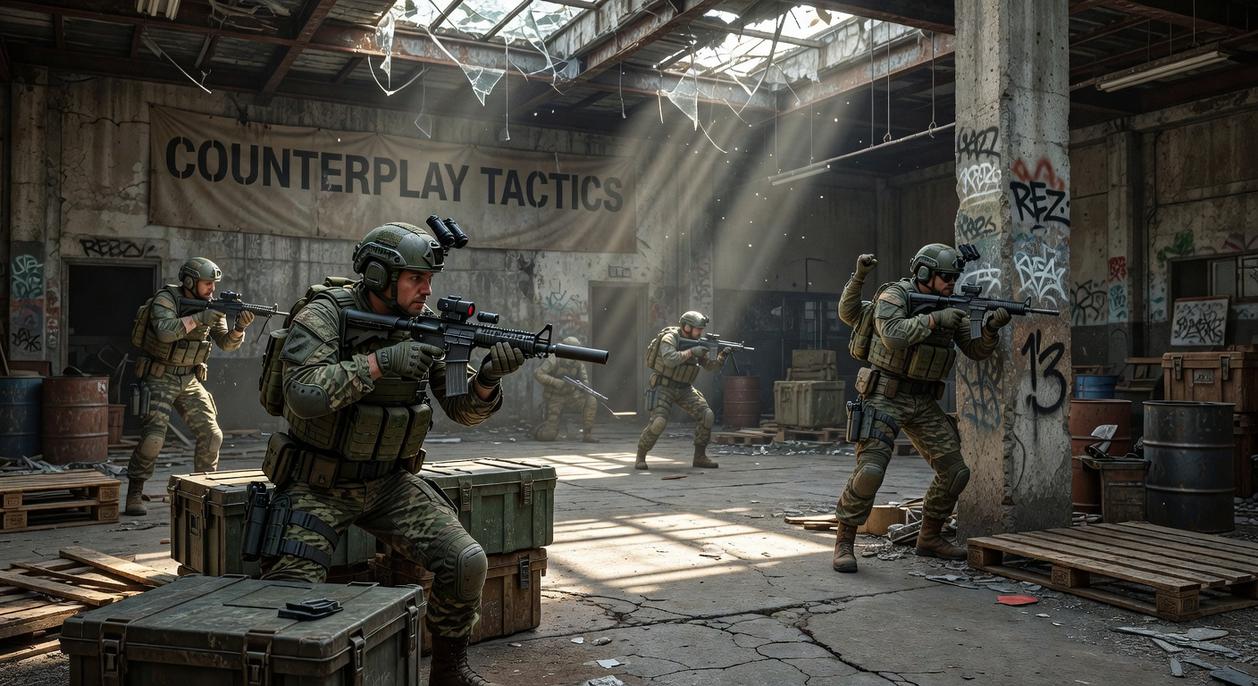
The best pick isn’t always the one that wins lane. While a counter picking strategy can secure early advantages, professional data shows synergy often matters more. According to Oracle’s Elixir draft stats from recent major tournaments, team compositions built around cohesive engage or scaling identities consistently outperform isolated counter picks in overall win rate.
The bigger picture? League (and most multiplayer arena games) is rarely decided by a solo matchup. It’s decided by coordinated fights, objective control, and execution.
Enabling Your Teammates
Sometimes your job isn’t to dominate lane—it’s to amplify someone else.
- Pick area-of-effect crowd control to set up a high-damage carry.
- Choose peel to protect a hyper-scaling marksman.
- Draft engage tools that unlock your jungler’s playmaking.
Think of Orianna paired with Malphite: individually manageable, together devastating (the classic wombo-combo highlight reel moment).
Drafting Toward a Goal
Every team has a win condition—the primary path to victory.
- Late-game scaling: Protect scaling carries.
- Early-game dominance: Prioritize skirmish power.
- Objective control: Secure vision and zone control tools.
If your comp scales harder, a neutral lane is fine. For deeper breakdowns, study proven team composition strategies for multiplayer arena games. The draft isn’t about ego—it’s about alignment. (And alignment wins tournaments.)
Common Draft Traps and How to Avoid Them
1) The “I Don’t Play That Champion” Trap
Option A: Lock in a “perfect” counter you’ve barely touched.
Option B: Pick a comfort champion you’ve mastered.
On paper, A wins. In reality, B often does. Mechanical familiarity (your practiced muscle memory and matchup knowledge) usually beats theoretical advantage. A shaky Fiora into Gnar isn’t better than your 200-game Aatrox.
Actionable fix:
- Build a tight pool of 3–5 flexible champions.
- Practice them into bad matchups so you’re never guessing.
(Pro tip: mastery turns 45% matchups into skill checks.)
2) The Tunnel Vision Trap
Countering one enemy while ignoring the other four is like bringing an umbrella to a hurricane. Yes, you stopped the rain. No, you’re not surviving the storm.
A vs B:
- A: Hard-counter mid, lose to jungle pressure.
- B: Stable mid, strong 2v2 synergy.
Team balance beats ego picks. Think composition, not revenge.
3) The Meta Slave Trap
Just because pros prioritize a champion doesn’t mean you should. The meta (most effective tactics available) shifts based on coordination and skill ceilings. Solo queue isn’t Worlds.
Blindly copying a counter picking strategy without context ignores execution demands.
Better approach:
- Ask why the pick is strong.
- Compare scaling, synergy, and comfort.
- Choose what fits your lobby—not Twitter discourse.
Draft smart. Not trendy.
From Theory to Victory
A smart draft is the first real step toward winning consistently. Yet it’s easy to feel helpless when you’re out-drafted and the match seems doomed before it begins. Some players argue mechanics alone carry games, and yes, raw skill matters. However, even the best mechanics struggle against a bad matchup. That’s where the three-step framework—Identify Job, Pinpoint Weakness, Select Solution—cuts through uncertainty. Instead of locking comfort picks, apply a counter picking strategy and ask why this choice works. In your very next game, pause, think, and draft with purpose, not panic every single time consciously.
By mastering counter-picking strategies, you can turn the tide of battle in your favor, but ensuring your gaming PC is optimized for maximum FPS also plays a crucial role in maintaining that competitive edge – for more details, check out our How to Optimize Your Gaming PC for Maximum FPS.
Dominate Your Next Match with Smarter Strategy
You came here to sharpen your edge and understand how to outplay tougher opponents in today’s competitive meta. Now you have the insight to read team comps, adapt your loadouts, and apply a counter picking strategy that turns bad matchups into calculated wins.
The real frustration isn’t losing — it’s losing because you weren’t prepared. Getting steamrolled by overpowered builds, outdated tactics, or better-coordinated teams feels avoidable… because it is. When you analyze the meta, optimize your gear, and counter intelligently, you stop reacting and start controlling the pace of every match.
Now it’s time to act. Review your current main picks, identify their hard counters, and build two flexible alternatives you can swap to instantly. Practice those rotations. Refine your loadouts. Queue up with a plan instead of hope.
Serious players don’t leave wins to chance. If you’re ready to stop guessing and start climbing, put these strategies into action in your very next game and feel the difference immediately.

 Ask Tiffany Lemonancy how they got into multiplayer arena strategies and you'll probably get a longer answer than you expected. The short version: Tiffany started doing it, got genuinely hooked, and at some point realized they had accumulated enough hard-won knowledge that it would be a waste not to share it. So they started writing.
What makes Tiffany worth reading is that they skips the obvious stuff. Nobody needs another surface-level take on Multiplayer Arena Strategies, Hot Topics in Gaming, Pro Insights. What readers actually want is the nuance — the part that only becomes clear after you've made a few mistakes and figured out why. That's the territory Tiffany operates in. The writing is direct, occasionally blunt, and always built around what's actually true rather than what sounds good in an article. They has little patience for filler, which means they's pieces tend to be denser with real information than the average post on the same subject.
Tiffany doesn't write to impress anyone. They writes because they has things to say that they genuinely thinks people should hear. That motivation — basic as it sounds — produces something noticeably different from content written for clicks or word count. Readers pick up on it. The comments on Tiffany's work tend to reflect that.
Ask Tiffany Lemonancy how they got into multiplayer arena strategies and you'll probably get a longer answer than you expected. The short version: Tiffany started doing it, got genuinely hooked, and at some point realized they had accumulated enough hard-won knowledge that it would be a waste not to share it. So they started writing.
What makes Tiffany worth reading is that they skips the obvious stuff. Nobody needs another surface-level take on Multiplayer Arena Strategies, Hot Topics in Gaming, Pro Insights. What readers actually want is the nuance — the part that only becomes clear after you've made a few mistakes and figured out why. That's the territory Tiffany operates in. The writing is direct, occasionally blunt, and always built around what's actually true rather than what sounds good in an article. They has little patience for filler, which means they's pieces tend to be denser with real information than the average post on the same subject.
Tiffany doesn't write to impress anyone. They writes because they has things to say that they genuinely thinks people should hear. That motivation — basic as it sounds — produces something noticeably different from content written for clicks or word count. Readers pick up on it. The comments on Tiffany's work tend to reflect that.